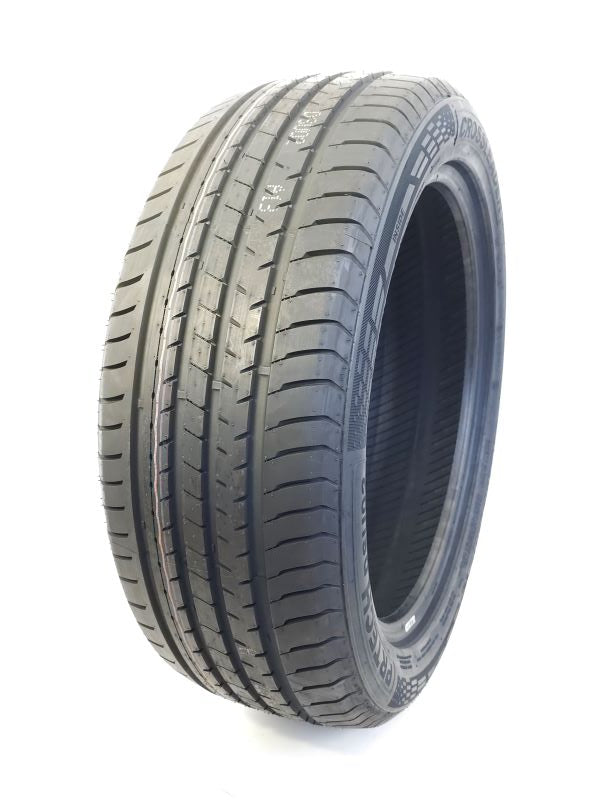
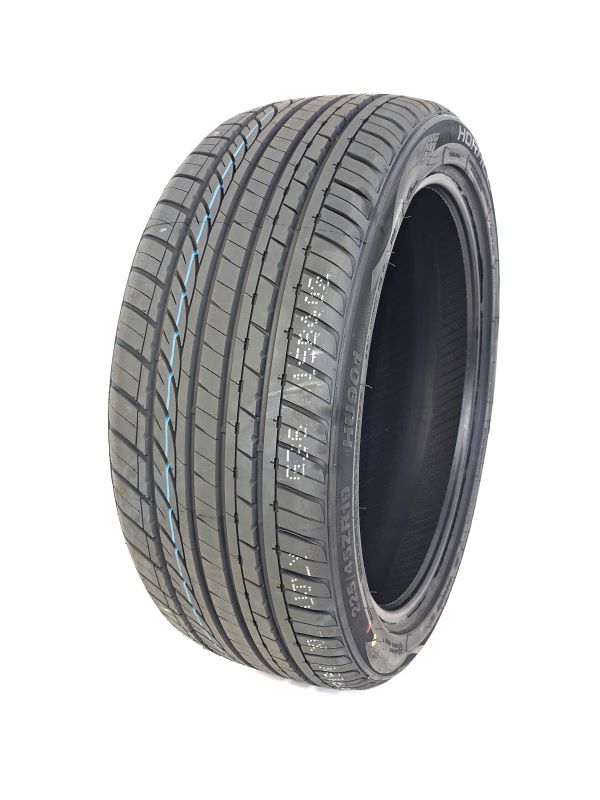
All Products
Explore our complete range of tyres—from Passenger and Runflat to Light Truck, Commercial, SUV, and 4X4 options.
No matter your vehicle or terrain, find the perfect blend of performance, durability, and safety for every journey.
FAQs
If you're located in Canterbury, we'll have your tyres dispatched to your choice of fitter within 48 working hours.
When you buy tyres online, you'll need to arrange an installer. We have a list of New Zealand's best professional tyre fitting experts who can help, but you can choose your local tyre store as well. Regardless, old tyres will be taken away by your professional tyre installer. The New Zealand stewardship fee included in your purchase price will cover this cost.
For more information, see: https://environment.govt.nz/acts-and-regulations/regulations/regulations-supporting-tyre-product-stewardship/
Tread Smart offers a fully refundable 30-day returns policy on our entire range of tyres, subject to the tyres being returned in a new condition.
A typical tyre size looks like 225/50R17.
Each part has a specific meaning:
• 225 = Tyre width in millimetres
• 50 = Aspect ratio (height of the sidewall as a percentage of the width)
• R = Radial construction
• 17 = Rim diameter in inches
The aspect ratio is the sidewall height expressed as a percentage of the tyre’s width, and it has a significant impact on how your vehicle behaves.
For example, in 225/50R17, the tyre width is 225 mm and the sidewall height is 50% of that width (112.5 mm).
This number influences several key performance and comfort factors:
1. Ride comfort
A higher aspect ratio (e.g., 60, 65, 70) means a taller sidewall, which provides more cushioning over bumps, potholes, gravel roads, and uneven surfaces.
A lower aspect ratio (e.g., 35, 40, 45) has less flex, resulting in a firmer, sportier ride that transmits more road feel into the cabin.
2. Handling and steering response
Low-profile tyres have shorter sidewalls that don’t flex as much under cornering, so the vehicle feels sharper and more responsive.
High-profile tyres flex more, which softens steering precision but can improve stability on rough terrain.
3. Tyre protection and durability
A taller sidewall absorbs impacts better, reducing the risk of:
• Wheel damage from potholes
• Sidewall tears
• Pinch flats
Low-profile tyres, especially on large rims, are more prone to rim damage when hitting road imperfections at speed.
4. Braking and traction characteristics
Aspect ratio affects how much the tyre’s contact patch can adapt to the road:
• Lower aspect ratios often improve dry-road grip due to reduced deformation.
• Higher aspect ratios can perform better in snow, gravel, or off-road conditions due to greater sidewall deflection and footprint variation.
5. Fuel economy
Lower aspect ratios typically increase rolling resistance slightly due to their stiffer designs, which may result in modestly higher fuel consumption.
Higher aspect ratios can be more efficient because the tyre flexes more naturally.
6. Speedometer accuracy and vehicle systems
Changing the aspect ratio alters the overall rolling diameter. Even small changes can affect:
• Speedometer and odometer readings
• ABS and traction control performance
• Gear shift behaviour in automatic transmissions
Manufacturers calibrate these systems using the original tyre size, so any variation should stay within recommended tolerances.